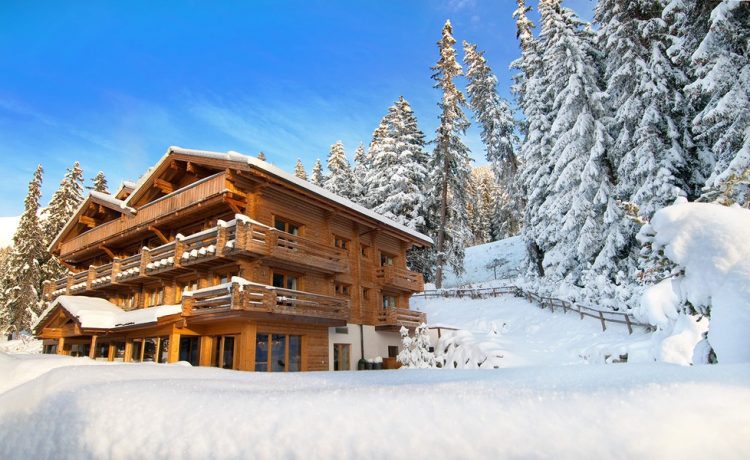
Planning your first ski holiday in chalet val thorens is one of the most exciting things you can do and choosing how you stay can make or break the whole experience. If you’ve been weighing up hotel versus self-catering versus a catered chalet, you’re in the right place. Here’s everything you need to know before you book.
What Exactly Is a Catered Chalet?
A catered chalet is a private alpine property, typically a traditional wooden chalet where a small in-house team cooks, cleans, and looks after you for the duration of your stay. Think of it as a cross between a boutique hotel and renting a private house with your own chef.
Most catered chalets include:
- Breakfast every morning, usually cooked fresh
- Afternoon tea with homemade cakes when you return from the slopes
- Three-course evening meal with wine, often matching the quality of a good local restaurant
- Unlimited tea, coffee, and soft drinks throughout the day
- Housekeeping (daily or every other day, depending on the chalet)
Some higher-end chalets also include a free bar, hot tub, sauna, ski-in/ski-out access, and a dedicated chalet manager to help organise your ski lessons, lift passes, and transfers.
Catered Chalet vs. Hotel: Which Is Right for You?
Hotels are great if you want flexibility, you can eat when you want, switch restaurants each evening, and come and go with complete anonymity. But they can feel impersonal, and the costs add up quickly once you factor in meals.
Catered chalets are better when:
- You’re travelling as a group of friends or family (most chalets are booked exclusively for your group)
- You want a home-from-home atmosphere where everyone relaxes together
- You want value for money – the all-inclusive nature makes budgeting easy
- You’re new to skiing and want a supportive base where staff can recommend where to ski, eat, and explore
The communal evening meal in particular is something people often rave about. There’s something genuinely magical about coming in from a cold day on the mountain and sitting down to a glass of red wine and three proper courses without having to think about reservations.
What to Look for When Choosing a Chalet
1. Location, Location, Location
The resort matters as much as the chalet itself. Consider:
- Ski-in/ski-out access: Can you click into your skis from the chalet door? This is a luxury, but it saves significant time and faff across a week.
- Walking distance to lifts: Most chalets are within a short walk or shuttle of the main lift system.
- Resort altitude: Higher resorts (like Val Thorens at 2,300m or Val d’Isère at 1,850m) offer more reliable snow, particularly earlier and later in the season.
2. Group Size
Chalets come in all sizes, from cosy five-person properties to grand chalets sleeping 20 or more. Make sure the chalet fits your group comfortably without people being squeezed into bunk rooms if that’s not your style. Pay attention to the ratio of bathrooms to bedrooms, too.
3. The Catering Standard
Not all catered chalets are equal in terms of food quality. Check whether:
- The chalet employs a dedicated chef or a combined chef/host
- You can see sample menus before booking
- There’s flexibility for dietary requirements (vegetarian, vegan, gluten-free, etc.)
- Wine is included or costs extra
Top-end chalets will serve restaurant-quality food with good pairings. Mid-range chalets may still offer excellent cooking but with a slightly simpler style. Read reviews carefully, people are rarely shy about mentioning if the food disappointed.
4. Included Extras
Compare what’s actually included. Some chalets include:
- Lift passes (less common, but worth checking)
- Ski guiding
- Airport transfers
- Ski equipment hire
- Unlimited or specific alcoholic drinks
Others are bed-and-breakfast only with dinner paid separately. Always read the small print.
5. The Chalet Team
In a catered chalet, you’ll be spending a lot of time with the staff, particularly the chalet host or chef. Good chalet companies take this seriously and hire enthusiastic, well-trained seasonal staff who love the mountains. Look for companies with a visible social media presence, genuine guest reviews, and clear staff profiles.
Understanding the Weekly Format
Most catered chalets in France operate on a Saturday-to-Saturday basis, aligning with the traditional ski week. This means:
- Arrival Saturday: You’ll typically arrive in the afternoon. There’s usually a welcome dinner or simple supper on arrival night.
- Sunday to Friday: Full catering kicks in, breakfast, afternoon tea, and dinner every day.
- Departure Saturday: Breakfast only, then you’re off.
Some operators offer short breaks (usually midweek Sunday to Friday, or weekend breaks), which can be great if you can’t commit to a full week.
Which French Ski Resorts Are Best for Catered Chalets?
France dominates the catered chalet market, largely because of its extraordinary lift infrastructure and strong ski culture. The most popular areas include:
The Tarentaise Valley (Savoie)
This single valley in the French Alps contains some of the world’s greatest ski areas, including:
- Val d’Isère / Tignes (Espace Killy): Combined, these two resorts offer 300km of piste and some of the most challenging and rewarding skiing in Europe. Val d’Isère is famously chic with an excellent restaurant scene; Tignes is more purpose-built and high altitude with superb off-piste.
- The Three Valleys: The world’s largest linked ski area, encompassing Méribel, Courchevel, Val Thorens, Les Menuires, and St Martin de Belleville. Val Thorens, at 2,300m, is Europe’s highest ski resort and offers the most reliable snow cover.
- La Plagne / Les Arcs (Paradiski): Another enormous linked area with a wide range of terrain and resorts to suit different budgets.
What Suits Beginners?
If you’re a first or second-timer, look for resorts with:
- A gentle beginner area at the base, ideally not too steep
- Good ski school options (ESF and BASS schools operate throughout France)
- A relaxed atmosphere (Val Thorens and Les Gets are both good for this)
Val d’Isère and Tignes, while spectacular, tend to suit intermediate-to-advanced skiers more than absolute beginners, due to the overall character of the terrain.
Tips for First-Time Chalet Guests
- Book early – the best chalets in popular resorts sell out fast, sometimes a year in advance for peak Christmas and New Year weeks.
- Ask about transfers – the journey from Geneva, Lyon, or Chambéry airports to major French resorts can be 1.5-3 hours. Many chalet operators can arrange shared or private transfers.
- Pack light on ski wear – chalets have limited drying room space. Two or three days’ worth of base layers, well washed, is enough.
- Tip appropriately – chalet staff work extremely hard for relatively modest wages. A tip of £100-£150 per chalet (not per person) at the end of the week is the norm, though more is always appreciated.
- Respect quiet hours – you’re sharing a chalet, and the staff get up early. Most operators suggest keeping things calm after midnight.
Final Word
A catered chalet holiday is one of the best ways to experience a ski resort, especially for groups who want to ski hard, eat well, and feel properly looked after without the formality of a hotel. Take time to research the resort, the chalet size, and the catering standard before you book, and you’re almost guaranteed to come home already planning next year’s trip.
Looking for more ski travel inspiration? Browse our other guides on ski resorts, beginner skiing tips, and what to look for in the perfect alpine chalet.