You have a week free in July, flights look cheap, and everyone says Kerala is at its greenest. But you have also seen videos of flooded roads and cancelled houseboats. So which is it?
The honest answer: June to August is worth it for some travellers and a poor choice for others. This guide covers what the weather is really like, which places work, which to skip, what it costs, and how to plan so rain helps rather than ruins your trip.
What is the monsoon in Kerala actually like?
The southwest monsoon usually reaches Kerala around 1 June and stays strong through August. It rarely rains non-stop. A typical day brings heavy showers for a few hours, grey skies, then a dry spell. Some days are a washout, though, and red-alert days do happen, especially in July.
| Month | Rain pattern | Temperature | What to expect |
| June | Heavy onset, frequent downpours | 23-30°C | Rivers swelling, landscapes turning green |
| July | Usually the wettest month | 22-29°C | Landslide and waterlogging risk in hills |
| August | Heavy but more broken spells | 23-29°C | Better gaps, Onam season begins late August or September |
Dates and intensity change every year, so check the IMD forecast a week before travel.
Who should visit Kerala in the monsoon
Monsoon suits you if you:
- Want a slow, restful trip with ayurveda, spa time or a homestay with a view
- Are travelling on a tighter budget
- Prefer quiet roads and empty viewpoints
- Are flexible enough to shift plans by a day
Who should avoid it
Think twice if you:
- Have only four or five days and a fixed itinerary
- Are travelling with elderly parents or toddlers and want easy sightseeing
- Want beaches, water sports or sunset cruises
- Are going for a honeymoon built around photos and outdoor time
Best places in Kerala during June to August
Kochi and Kumarakom
Kochi works in any weather because much of it is indoors: Fort Kochi’s galleries, Mattancherry, cafés and the Kerala Kathakali shows. Kumarakom’s lakeside resorts are pleasant in rain, though bird watching is patchy.
Alleppey (Alappuzha) backwaters
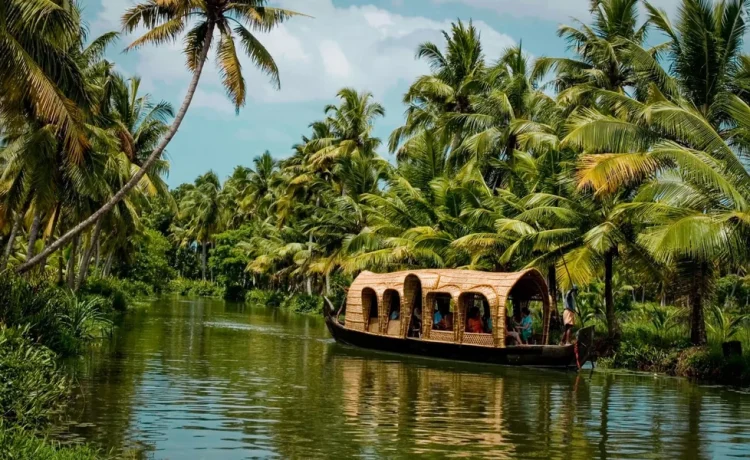
Backwaters in rain are moody and green, but houseboats run under restrictions during heavy weather. Expect cancellations when water levels or winds are high. If cruising matters, choose a flexible booking and consider a shorter stay or a lakeside villa instead.
Wayanad
Waterfalls are at their fullest and the forests look dramatic. It is also landslide-prone, and some trails, viewpoints and caves close in heavy rain. Go only with a flexible plan and a driver who knows the ghat roads.
Munnar and Thekkady
Munnar is cool, misty and beautiful between showers. But mist cuts visibility, and rain can cause landslides on hill roads. Thekkady’s spice plantations remain enjoyable, though boating and some forest activities may be affected. Allow extra drive time on both.
Varkala and Kovalam
Not ideal. Seas are rough, red flags fly, and swimming is generally unsafe. Many beach shacks close. Skip these unless you want a cliffside retreat and nothing else.
Pros and cons at a glance
| Advantages | Trade-offs |
| Hotel and resort rates often 30-50% lower than peak winter (indicative) | Activity cancellations possible |
| Lush landscapes and full waterfalls | Landslide and waterlogging risks in hills |
| Ayurveda season, when many centres run rejuvenation programmes | Limited beach time |
| Fewer crowds | Leeches in forests, damp clothes |
Ayurveda: the strongest reason to come
The monsoon is traditionally considered the best time for ayurvedic treatments, since the cooler, humid air is believed to help the body respond to therapies. Retreats of 7 to 14 days make sense. Vet the centre carefully: ask about the resident doctor’s qualifications, whether the centre is government-accredited, and what the daily programme includes. Prices vary widely, so get written inclusions.
Sample 5-day monsoon itinerary
2. Day 2: Drive to Kumarakom (about 1.5-2 hours), lakeside rest and spa
4. Day 4: Return to Kochi or fly out, or stay for an ayurveda programme
5. Day 5: Buffer day for weather delays
This avoids long hill drives, which is the smartest tweak for monsoon travel.
Practical tips
- Pack: quick-dry clothes, a compact umbrella, waterproof sandals, dry bags for phones and documents, leech socks for Wayanad
- Book: refundable hotels and flights where possible
- Travel: hire a cab with a driver who knows local road conditions; avoid driving yourself on ghat roads
- Timing: drive hill roads in daylight and leave early
- Insurance: travel insurance covering weather disruptions is worth considering
- Buffer: add one spare day to every itinerary
So, is it worth it?
Kerala tourism in the monsoon rewards flexible, unhurried travellers who care more about atmosphere, wellness and value than ticking off every attraction. If you want guaranteed boat rides, beach days or a tight itinerary, wait for September or the winter months. August is the best of the three months, with more breaks in the rain.
If you are leaning towards a June to August trip, Trip2Keralam’s Kochi-based planners can build a weather-aware plan with flexible routing and a realistic backup for rain days. Share your dates and group size, and ask for a customised quote.